Make Your Own Crafts: 25+ DIY Projects Kids Actually Want to Do
Co-founder
Editorial standards: how we research and update articles
# Make Your Own Crafts: 25+ DIY Projects Kids Actually Want to Do
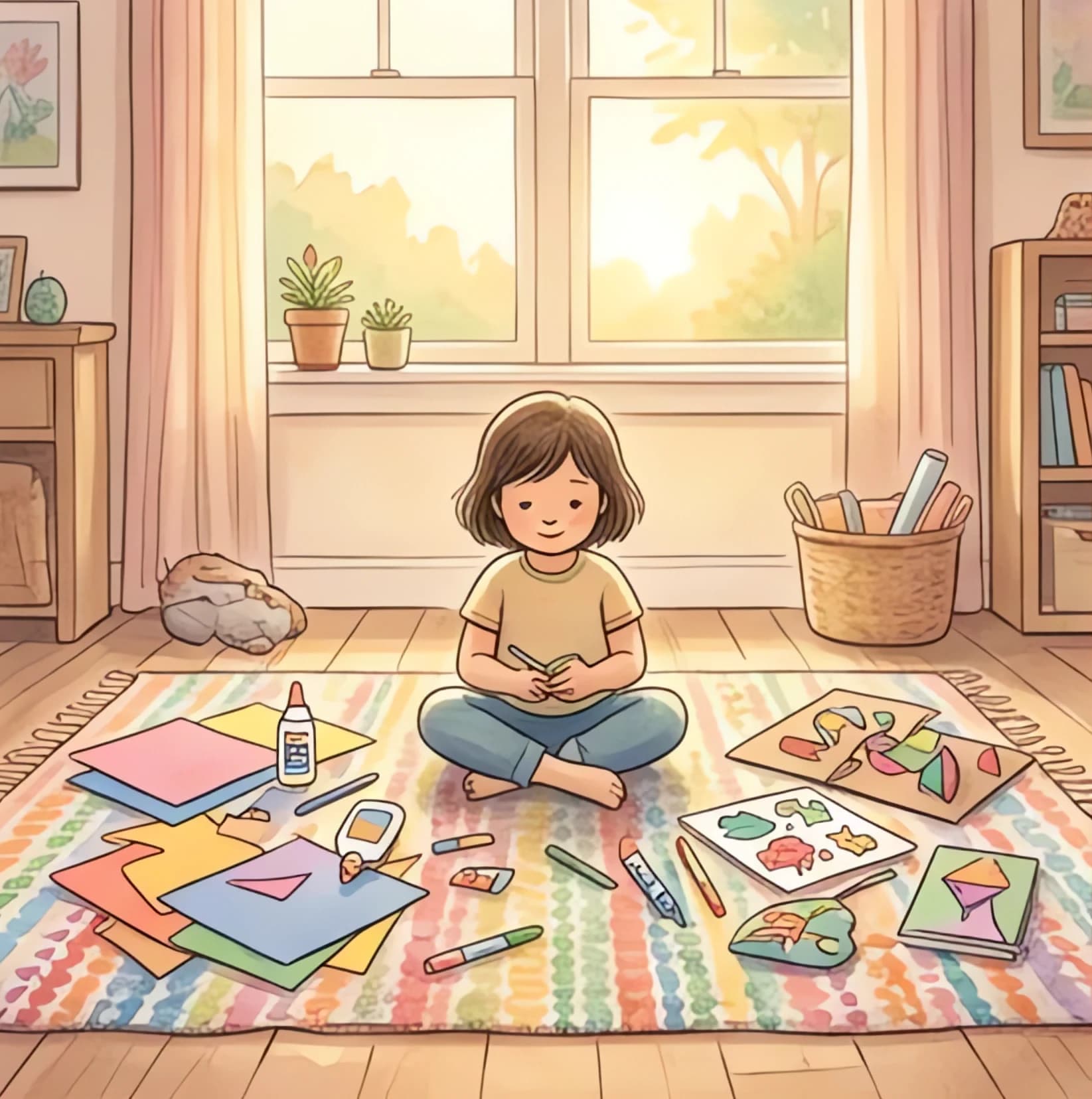
Your child dumps out the craft bin for the third time this week, surveys the chaos of glue sticks and construction paper, and announces: "There's nothing to make." Sound familiar? The truth is, kids don't need fancy supplies or Pinterest-perfect tutorials to make your own crafts - they need projects that match their energy, attention span, and genuine interests.
This guide walks you through DIY craft projects that actually work for real families. No specialty tools required, no unrealistic expectations. Just creative, engaging projects you can start tonight with what's already in your house.
Key Takeaways
• Start simple: The best crafts use household materials and take 15-30 minutes • Match the age: Different ages need different complexity levels and attention spans • Make it meaningful: Crafts work best when they connect to your child's interests or daily life • Embrace imperfection: The goal is creativity and time together, not museum-worthy art • Keep supplies accessible: Store materials where kids can reach them independently
Understanding Your Child's Craft Sweet Spot
Not all crafts are created equal. A 4-year-old's fine motor skills aren't ready for intricate beadwork, and a 10-year-old will roll their eyes at finger painting. The key to successful DIY projects is matching the complexity to your child's developmental stage.
Ages 3-5: Big Movements, Big Results Preschoolers need crafts they can actually complete. Their attention spans max out around 15-20 minutes, and they're still developing the hand strength for detailed work. Focus on projects with immediate visual payoff.
Ages 6-8: Ready for Multi-Step Projects Early elementary kids can follow 3-4 step instructions and work for 30-45 minutes on something they're excited about. This is prime time for crafts for 6-12 year olds that involve measuring, cutting, and planning ahead.
Ages 9-12: Craving Challenge and Purpose Older kids want crafts that feel "real" - projects they can use, give away, or display with pride. They're ready for techniques that require practice and refinement.
According to child development experts at the American Academy of Pediatrics, hands-on creative activities support fine motor development, problem-solving skills, and self-expression across all these age groups.
Paper Crafts That Go Beyond Basic Cutouts
Paper is the ultimate craft material - cheap, versatile, and endlessly forgiving. But instead of generic coloring pages, try these easy crafts to do at home with paper that feel fresh and engaging.
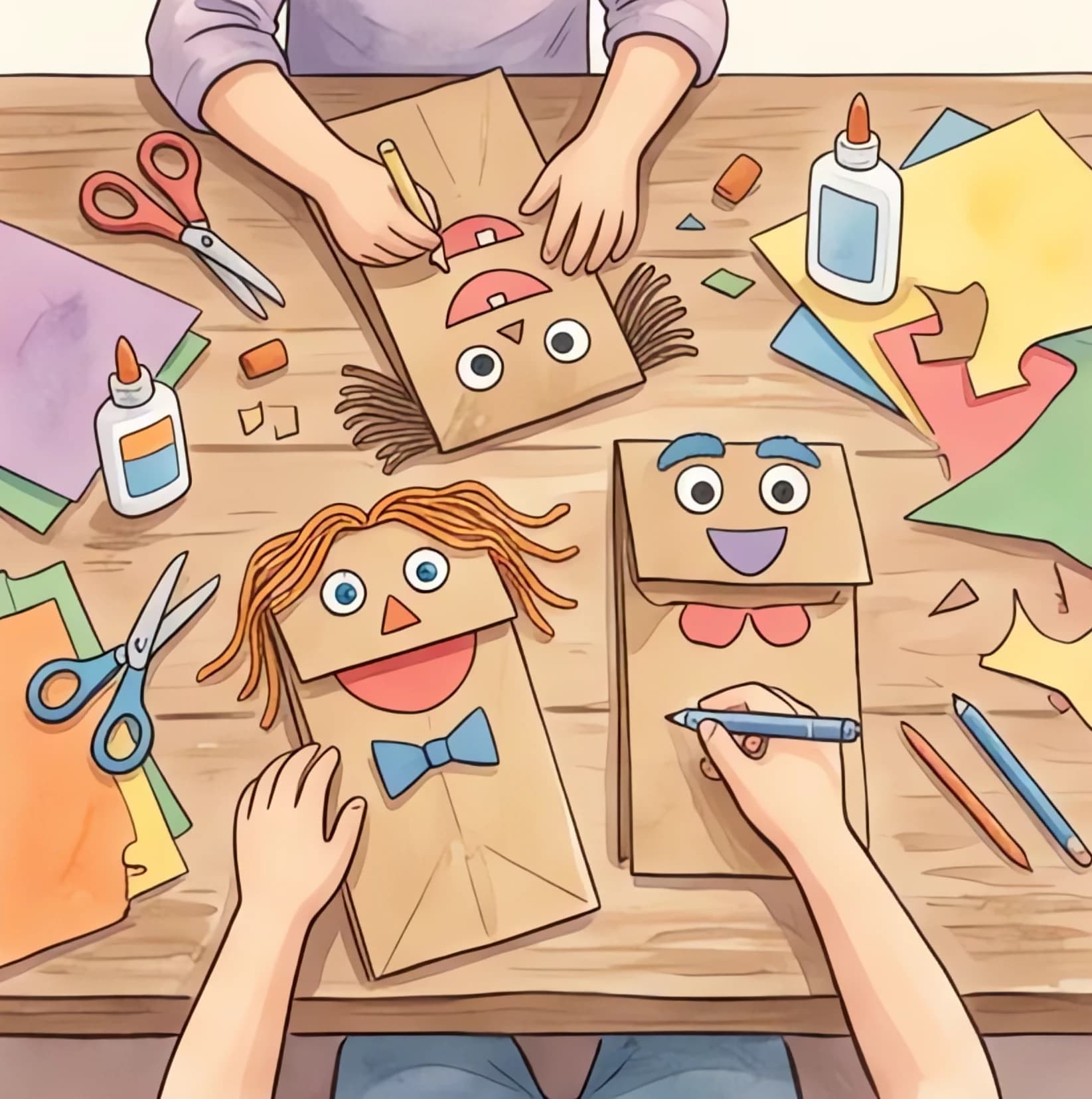
Story Character Puppets Turn your child's favorite story characters into paper bag puppets. Emma, age 7, spent an entire rainy afternoon creating puppet versions of herself and her little brother for an impromptu show. The beauty of this craft? No two puppets look the same, and kids naturally want to play with what they've made.
What you need: Paper lunch bags, construction paper, markers, glue sticks, scissors Time: 20-30 minutes per puppet Age range: 4-10
3D Paper Cities Start with a cardboard base and let kids build upward. Fold paper into buildings, create paper trees, add construction paper cars. This project can grow over days or weeks as kids add new elements.
Pro tip: Save interesting boxes and tubes throughout the week. A toilet paper roll becomes a perfect tower; a cereal box transforms into an apartment building.
Accordion Photo Albums Fold a long strip of paper accordion-style, then let kids fill each section with drawings, photos, or memories from their day. Maya, age 9, created one after each family vacation - way more meaningful than a store-bought photo album.
Nature Crafts Using What's Outside Your Door
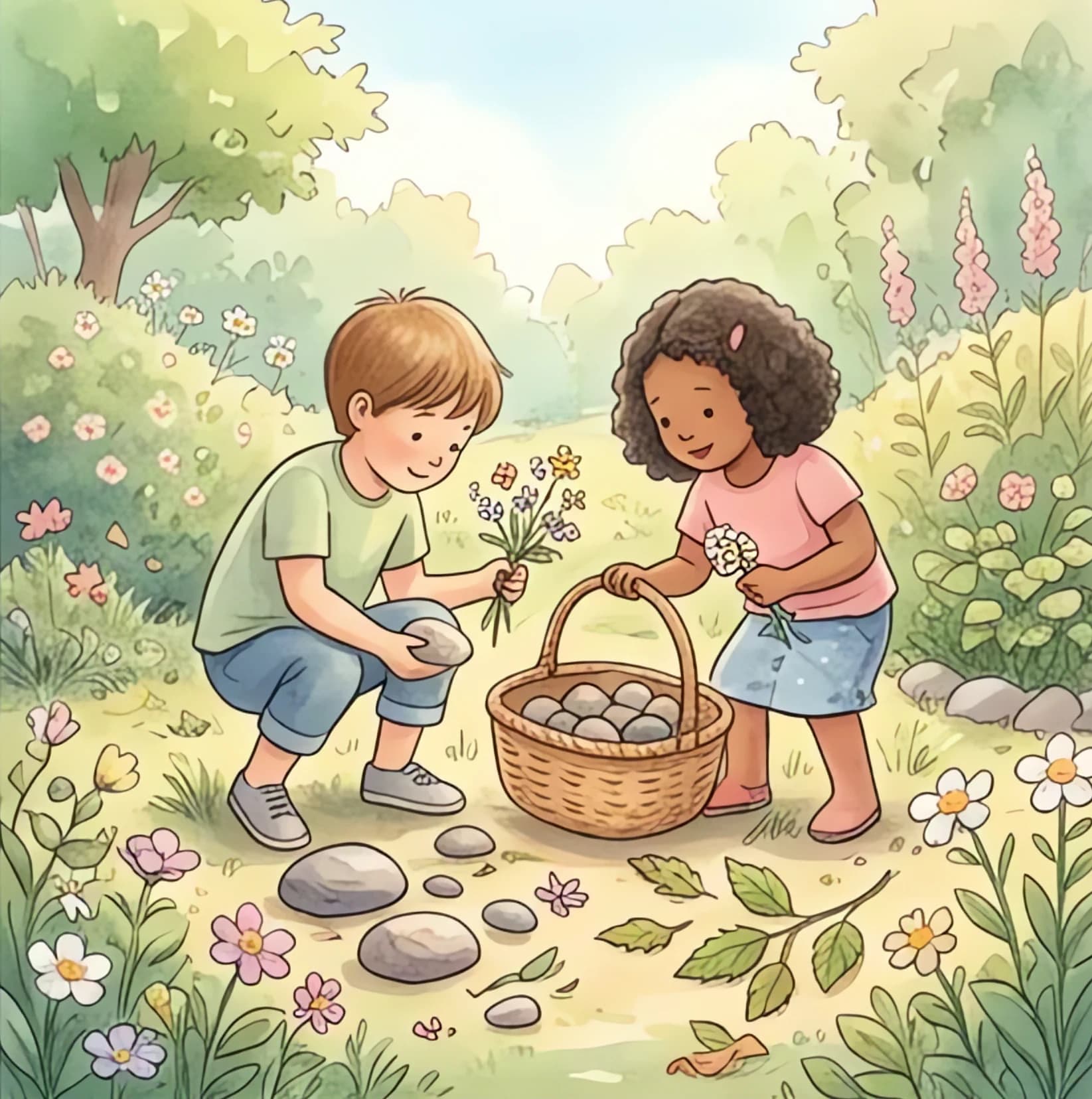
Some of the best handmade craft ideas for home start in your own backyard. Nature crafts connect kids to the outdoors while creating something unique and seasonal.
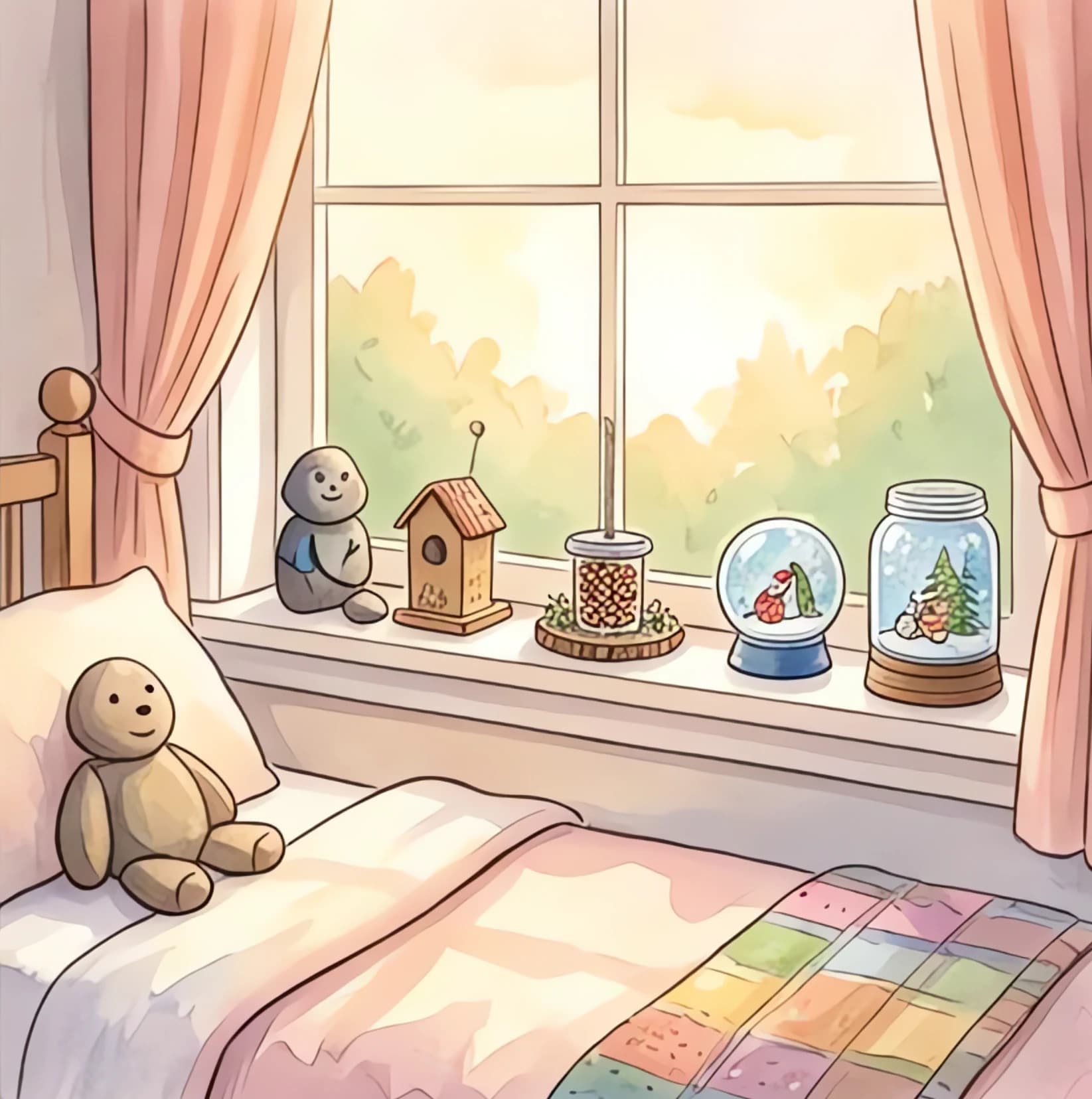
Rock Story Characters Smooth rocks become the foundation for story characters kids can actually use in imaginative play. Paint faces, add fabric scraps for clothes, create entire families of rock people.
Why this works: Kids can take their rock characters outside for adventures, creating an ongoing story that extends beyond the craft itself.
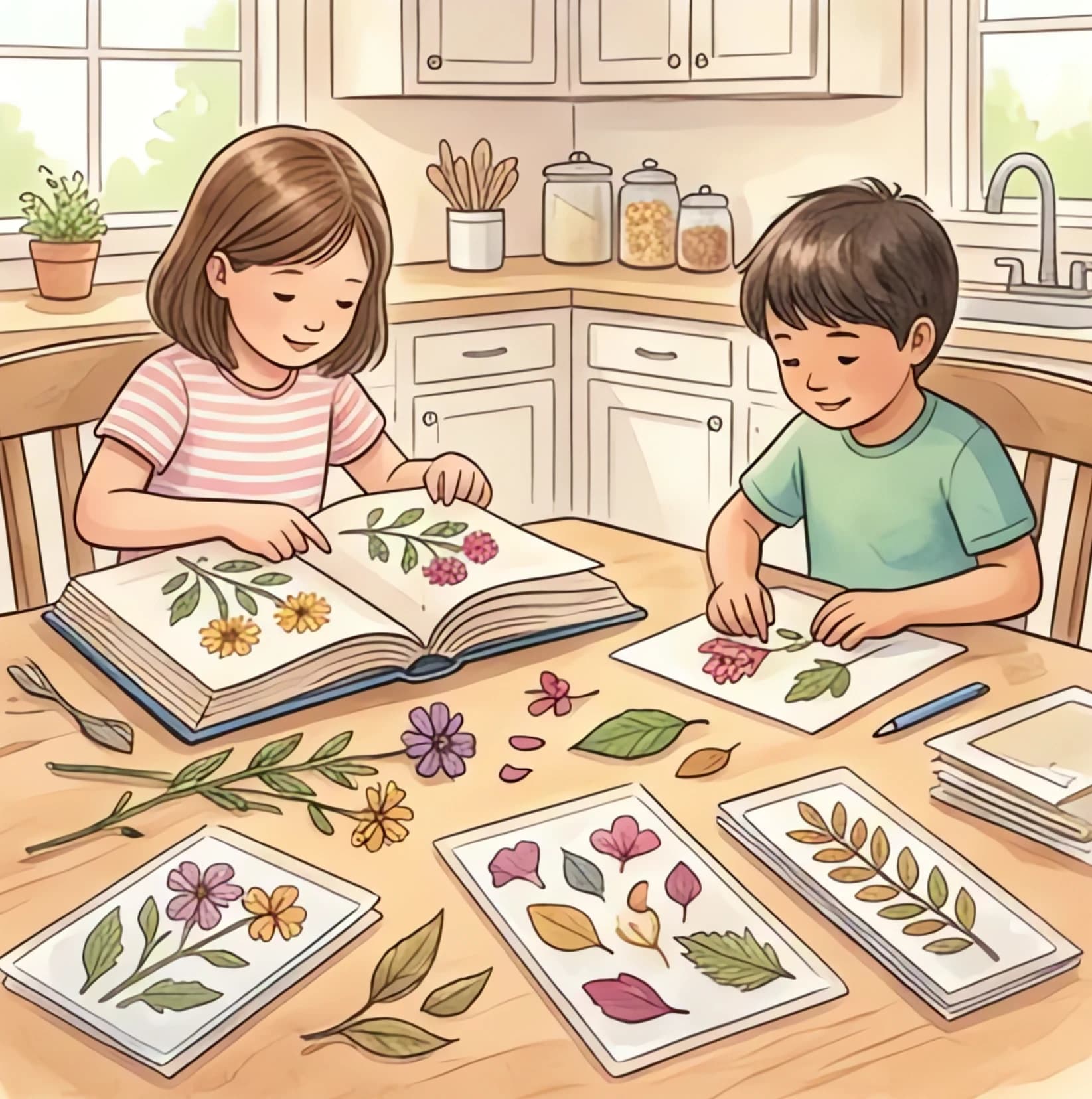
Pressed Flower Bookmarks Collect flowers and leaves during your next walk, press them between heavy books for a week, then laminate them into bookmarks. The wait time actually builds anticipation - kids check on their flowers daily.
Bird Feeder Engineering Empty milk cartons, peanut butter, and birdseed transform into functional bird feeders. Hang them outside a window where kids can observe their "customers." This craft teaches cause and effect while supporting local wildlife.
The Sleep Foundation notes that outdoor activities and nature connection can improve children's sleep patterns - making these crafts a double win for families.
Upcycled Crafts That Solve Real Problems
The most satisfying crafts turn "trash" into treasure while solving everyday problems. These projects teach resourcefulness and environmental awareness.
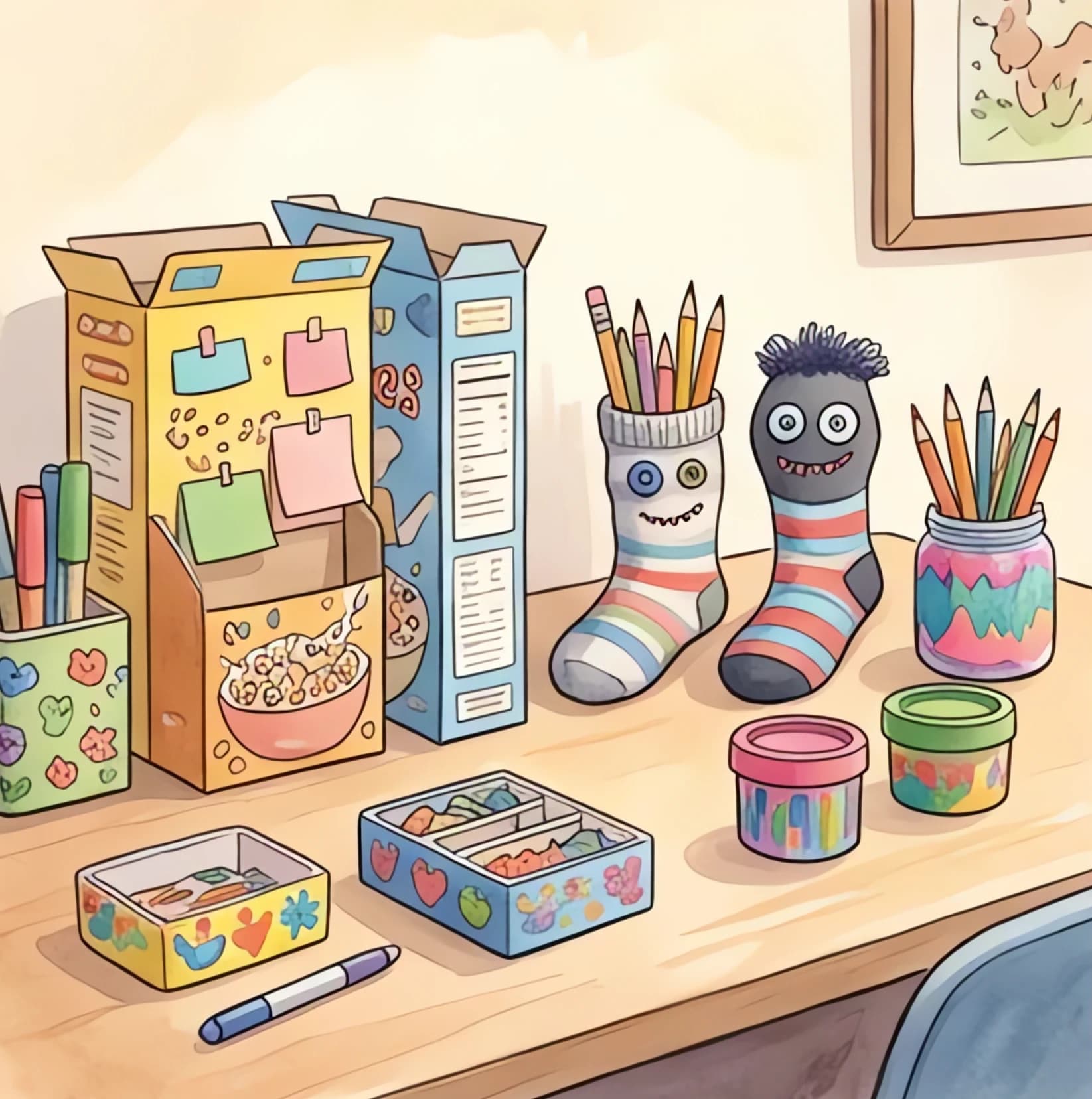
Sock Monster Organizers Lone socks become desk organizers with personality. Add button eyes, felt mouths, and suddenly your child has a "monster" that eats pencils, hair ties, or small toys. Jack, age 8, made five different sock monsters, each with a specific organizational job in his room.
Cereal Box Magazine Files Cut the top corner off empty cereal boxes at an angle, cover with contact paper or paint, and create custom magazine/paper organizers. Kids can make these for their own room organization or as gifts for family members.
Jar Snow Globes Empty baby food jars, glycerin, glitter, and small waterproof figurines create personalized snow globes. This craft works especially well around holidays when kids want to make gifts for grandparents.
Advanced version: For older kids, create themed globes that tell a story or represent a special memory.
Textile Crafts Without a Sewing Machine
Many parents assume textile crafts require advanced skills or equipment. Not true. These projects use simple techniques kids can master quickly.
No-Sew Fleece Blankets Two pieces of fleece, scissors, and patience create cozy blankets perfect for reading time or sleepovers. Kids choose their own colors and patterns, making each blanket uniquely theirs.
Technique: Cut 4-inch strips around the edges, tie corresponding strips together. Even 6-year-olds can master this with minimal help.
Friendship Bracelets from T-Shirts Old t-shirts cut into strips become bracelet material. No beads required - just braiding and creativity. This craft is perfect for playdates when kids want to make something for each other.
Fabric Scrap Bookmarks Scraps of fabric, cardboard, and ribbon create bookmarks that actually get used. Let kids choose fabrics that reflect their personality or match their bedroom decor.
Kitchen Crafts That Double as Snacks
Some of the most successful crafts happen in the kitchen, where the end result is both creative and edible.
Decorated Graham Cracker Houses Skip the elaborate gingerbread house kits. Graham crackers, frosting, and candy create architectural masterpieces that kids can actually build and eat in one session.
Custom Trail Mix Art Provide various nuts, dried fruits, and small treats in separate bowls. Kids create "art" by arranging ingredients in clear containers, then eat their creation during the next movie night.
Painted Cookies Make simple sugar cookie dough, cut basic shapes, then let kids "paint" with colored frosting using small brushes. The process matters more than the final product.
Research from PubMed shows that cooking activities with children support mathematical concepts, following directions, and sensory development.
Making Crafts That Connect to Bedtime Stories
One of the most powerful ways to extend your child's engagement with crafts is connecting them to the stories they love. When kids create something related to a favorite book or bedtime story, they're more likely to play with it long after the glue dries.
Character Mask Theater After reading a favorite story together, help kids create simple masks of the main characters using paper plates, craft sticks, and basic art supplies. Then encourage them to retell the story wearing their masks - or better yet, create new adventures for the characters.
This connects perfectly with personalized bedtime stories, where your child is already the main character. Creating crafts based on their own story adventures builds even deeper engagement.
Story Setting Dioramas Use a shoebox to create the setting from a beloved book. Whether it's a forest, castle, or outer space, kids can build the world their favorite characters inhabit, then use small toys to act out scenes.
Adventure Maps After hearing stories about brave characters going on quests, kids can create treasure maps of their own house, backyard, or neighborhood. Add "X marks the spot" locations where they've hidden small treasures for siblings or friends to find.
Advanced Projects for Motivated Crafters
Some kids catch the crafting bug and want increasingly complex projects. These ideas challenge older children while building real skills.
Memory Books from Daily Adventures Help kids document their daily adventures through a combination of writing, drawing, and photo collages. This works especially well for children who love [hearing stories about their own day](/blog/personalized-bedtime-stories), turning real experiences into lasting keepsakes.
Handmade Board Games Design and create original board games using cardboard, markers, and household items as game pieces. Kids learn game mechanics, design thinking, and rule creation while making something the whole family can enjoy.
Stop-Motion Animation Sets Use phones or tablets to help kids create simple stop-motion videos using their handmade characters and sets. This combines traditional crafting with digital storytelling.
Setting Up Your Craft Space for Success
The difference between crafting chaos and creative flow often comes down to organization and accessibility.
The Rolling Cart Solution A simple rolling cart keeps supplies mobile and contained. Kids can wheel their materials wherever inspiration strikes, then clean up quickly when finished.
Clear Container Storage Store materials in clear containers so kids can see options at a glance. Label with both words and pictures for pre-readers.
The "Mess Mat" System Designate specific areas where messy crafts are allowed. A shower curtain or plastic tablecloth protects surfaces while giving kids permission to get creative without constant "be careful" reminders.
Troubleshooting Common Craft Challenges
"I Don't Know What to Make" Keep a "craft idea jar" filled with project suggestions written on slips of paper. When kids feel stuck, they can draw inspiration randomly.
Projects That Never Get Finished Some kids are "process crafters" who enjoy the making more than the completing. That's okay. Focus on the experience rather than the end result.
Sibling Craft Competition When multiple kids are crafting together, avoid direct comparisons. Instead, celebrate unique elements in each child's work: "Look how you used purple in a completely different way!"
Supply Hoarding Some kids want to save "good" supplies for "special" projects that never happen. Encourage regular use by having both everyday supplies and occasional special materials.
Turning Crafts Into Gifts and Keepsakes
The most meaningful handmade craft ideas for home are those that become lasting memories or thoughtful gifts.
Custom Photo Frames Decorate simple wooden frames with buttons, shells, or painted designs. Kids can gift these to grandparents with current photos, creating [personalized gifts that families actually keep](/blog/personalized-gift-ideas-for-kids).
Handprint Gardens Press handprints in clay or plaster, then paint them as flowers, butterflies, or other garden elements. These create beautiful stepping stones or wall art that captures a moment in time.
Recipe Books for Family Favorites Help kids illustrate and write family recipes in their own handmade books. Include not just ingredients and instructions, but stories about when each recipe gets made and why it's special.
Building Craft Confidence Over Time
The goal isn't perfect products - it's building creative confidence and problem-solving skills. When kids make your own crafts regularly, they develop:
- Spatial reasoning from working with 3D materials
- Fine motor skills through cutting, gluing, and detailed work
- Planning abilities by thinking through multi-step processes
- Self-expression through color, design, and creative choices
- Persistence by working through challenges and "mistakes"
Research from the CDC confirms that hands-on creative activities support multiple areas of child development simultaneously.
When Crafts Connect to Entrepreneurship
For kids who discover they love making things, crafting can evolve into easy crafts to do at home to sell. Many successful small businesses started with children selling handmade items at farmers markets or to neighbors.
Market-Ready Craft Ideas - Custom bookmarks with laminated designs - Small potted plants with decorated pots - Handmade greeting cards for holidays - Pet treats made from safe, simple recipes - Friendship bracelets with personalized colors
Teaching kids about pricing materials, calculating profits, and interacting with customers builds real-world skills while validating their creative efforts.
Making Tonight Different
Your craft bin doesn't have to stay a source of frustration. Tonight, instead of overwhelming your child with too many choices, try this: pick one project from this guide that matches their age and interests. Set up the supplies on the kitchen table after dinner. Don't aim for perfection - aim for 20 minutes of focused creativity together.
The best part about learning to make your own crafts isn't the finished product sitting on your refrigerator. It's watching your child's face light up when they realize they can turn an idea in their head into something real with their own hands.
And who knows? That simple paper puppet they make tonight might just become the star of tomorrow's bedtime story adventure.
Resources for Continued Crafting
Building a sustainable crafting practice means having reliable sources for both inspiration and supplies:
Supply Sources That Won't Break the Budget - Dollar stores for basic materials - Grocery stores for kitchen crafting supplies - Your recycling bin for upcycling projects - Nature walks for seasonal materials - Garage sales for fabric scraps and interesting containers
When to Invest in Quality - Good scissors that actually cut - Washable markers and crayons - Quality glue that dries clear - A dedicated workspace (even if it's just a plastic bin)
Building a Craft Community Crafting doesn't have to be a solo activity. Connect with other families for: - Craft supply swaps - Group projects for special occasions - Skill-sharing (one parent teaches origami, another teaches knitting) - Craft-focused playdates where kids work on individual projects together
The most successful craft families are those who view creativity as an ongoing journey rather than a destination. Start with simple projects, build confidence through success, then gradually introduce new techniques and materials.
Remember: the goal isn't raising the next great artist. It's raising a child who sees problems and thinks, "I could make something to solve this." That's a mindset that serves them well far beyond childhood.
When you make your own crafts with your kids, you're not just filling time on a rainy afternoon. You're building memories, developing skills, and creating traditions that might just get passed down to the next generation. And that's worth more than any store-bought toy could ever be.
Try a personalized bedtime story tonight
Download the app free — every plan includes illustrations and voice narration.
Download on the App Store